
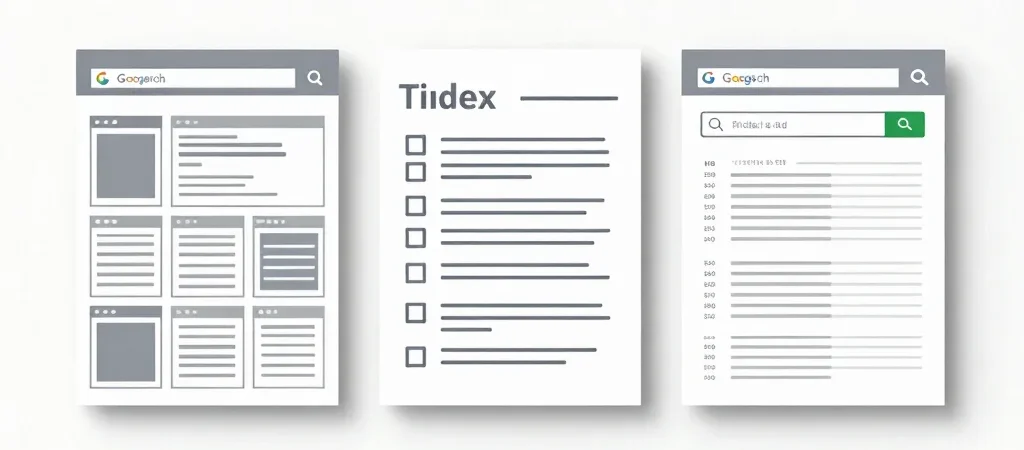
You type a question into Google and see a page of results almost immediately. That speed can make search seem like a live scan of the entire web, but the process usually starts earlier: Google has already found and organized many pages it may show.
First, pages are discovered
Google uses automated programs called crawlers to find pages and fetch their content. A crawler may reach a page through links from other pages, or through information a site owner provides, such as a sitemap. Discovery is not a promise that every page will be crawled.
Then comes indexing
After fetching a page, Google may analyze its text, images, links, and other signals, then store information about it in an index. The index is not a complete copy of every page on the internet, and a page that can be crawled is not automatically guaranteed a place in it.
Results are selected for a query
When you search, Google looks for indexed pages that seem relevant to your words and intent, then orders results using many signals. The exact results can vary with the query and context, so it is more useful to think of search as matching a question to available information than as looking up one fixed answer.